We present a targeted sequencing-based pipeline that profiles microsatellite instability (MSI) at single-nucleotide resolution. Targeted amplicons from the five widely studied Bethesda panel microsatellite loci were sequenced using Oxford Nanopore Technology in two microsatellite unstable colorectal cancer cell lines (HCT15, HCT116), two microsatellite stable cancer cell lines (TK6, U2OS), and two peripheral blood mononuclear cell samples from healthy donors. An anchor-extension algorithm was developed to capture repeat motifs while allowing interruptions, using a threshold informed by platform-specific error. Cluster-aware Dirichlet-multinomial and beta-binomial tests were applied for between-sample comparisons while accounting for read-level clustering within samples. The algorithm revealed distinct repeat profiles in HCT15 and HCT116 compared to other cell types and uncovered allelic diversity across samples at different MSI loci. Our approach complements existing short tandem repeat callers by preserving read-level diversity and delivering targeted, quantitative MSI calls with potential applications in mechanistic research and clinical assay development.
Telomere Length Dynamics As a Biomarker of Individual Radiation Sensitivity and Pneumonitis in Lung Cancer Patients Receiving Thoracic Radiotherapy
Ting Zhai, Sneh M. Toprani, Maeve Dillon-Martin, Patrick F. Doyle, Heejoo Kang, Claire Novack, Liming Liang, David C. Christiani, David E. Kozono, and Zachary D. Nagel
International Journal of Radiation Oncology*Biology*Physics, 2026
Rare genetic DNA repair deficiency syndromes can lead to immunodeficiency, neurological disorders, and cancer. In the general population, inter-individual variation in DNA repair capacity (DRC) influences susceptibility to cancer and several age-related diseases. Genome wide association studies and functional analyses show that defects in multiple DNA repair pathways jointly increase disease risk, but previous technologies did not permit comprehensive analyses of DNA repair in populations. To overcome these limitations, we used fluorescence multiplex host cell reactivation (FM-HCR) assays that directly quantify DRC across six major DNA repair pathways. We assessed DRC in phytohemagglutinin-stimulated primary lymphocytes from 56 healthy individuals and validated assay reproducibility in 10 individuals with up to five independent blood draws. We furthermore developed generalized analytical pipelines for systematically adjusting for batch effects and both experimental and biological confounders. Our results reveal significant inter-individual variation in DRC for each of 10 reporter assays that measure the efficiency of distinct repair processes. Our data also demonstrate that correlations between the activities of different DNA repair pathways are relatively weak. This finding suggests that each pathway may independently influence susceptibility to the health effects of DNA damage. We furthermore developed a pipeline for analyzing comet repair kinetics and related our new functional data to previously reported comet assay data for the same individuals. Our pioneering analysis underscores the sensitivity of FM-HCR assays for detecting subtle biological differences between individuals and establishes standardized methodologies for population studies. Our findings and open source analytical tools advance precision medicine by enabling comprehensive exploration of genetic, demographic, clinical, and lifestyle factors and supporting targeted interventions to enhance DNA repair and maintain genomic integrity, thereby promoting personalized healthcare and disease prevention.
Residual Volume and Total Lung Capacity at Diagnosis Predict Overall Survival in Non‐Small Cell Lung Cancer Patients
Ting Zhai, Yi Li, Robert Brown, Michael Lanuti, Justin F. Gainor, and David C. Christiani
Lung volume as a part of pulmonary function test, is often underrepresented in prognostic lung cancer research. In this longitudinal lung cancer survivor cohort, higher residual volume to total lung capacity (RV/TLC) ratio upon diagnosis was associated with worse overall survival regardless of spirometry results or cancer stage. The findings provide first-line evidence for the prognostic value of lung volume measurements, and lay the groundwork for future studies to clarify their role in lung cancer prognosis.
2024
Current technologies for measuring or predicting telomere length from genomic datasets
Galactic cosmic rays may accelerate the aging process in populations on the Earth, despite the protection by the Earth’s atmosphere and magnetic field. This research enhances our understanding of how changes in space weather can impact health, highlights potential risks from space to Earth inhabitants, and helps inform health strategies for vulnerable populations.
2022
Early natural menopause is associated with poor lung health and increased mortality among female smokers
Ting Zhai, Brenda Diergaarde, David O. Wilson, Huining Kang, Akshay Sood, Samuel H. Bayliss, Jian-Min Yuan, Maria A. Picchi, Qing Lan, Steven A. Belinsky, Jill M. Siegfried, Linda S. Cook, and Shuguang Leng
Cigarette smoking is the most harmful factor for lung health. Early natural menopause is a biomarker of reproductive and somatic aging. Understanding the effect of early menopause on health outcomes in middle-aged and older female smokers is important to develop preventive strategies. Early natural menopause was associated with worse lung health, accelerated lung aging, and higher all-cause and respiratory mortality. Females with early natural menopause who continued smoking had a dramatically (>4.5-fold) increased risk of lung cancer (LC) and cancer-specific mortality. The effects of early menopause on lung health and aging sequela were rarely studied in female smokers. This study has provided strong evidence supporting the importance of maintaining lung health in female smokers with early natural menopause. Moreover, female smokers with early natural menopause should be targeted for smoking cessation and LC screening.
Spirometry at Diagnosis and Overall Survival in Non-Small Cell Lung Cancer Patients
Ting Zhai, Yi Li, Robert Brown, Michael Lanuti, Justin F. Gainor, and David C. Christiani
Pulmonary function can predict all-cause mortality, and chronic obstructive pulmonary disease (COPD) is associated with worse overall survival (OS) in non-small cell lung cancer (NSCLC) patients. Though pre-operative lung function is predictive of in-hospital mortality following lung cancer surgery, its predictive utility for long-term survival is unclear. The prognostic role of commonly used spirometry tests in survival of lung cancer also remains uncertain. This study evaluates the role of spirometry at lung cancer diagnosis in predicting OS of NSCLC patients. This was a retrospective study using data from the Boston Lung Cancer Study on newly diagnosed NSCLC patients with spirometry tests performed before cancer therapy (n = 2805). Spirometric test values, after being categorized using quartiles, were analyzed for association with OS using univariate and risk-adjusted multiple regression models. Further, we analyzed OS by the status of COPD determined by spirometry, and, among those with COPD, by its stage defined by the Global Initiative for Chronic Obstructive Lung Disease criteria. Both univariate and multiple regression models demonstrated that lower quartiles of actual and percent predicted forced expiratory volume in 1 second and forced vital capacity at lung cancer diagnosis were significantly associated with worse OS. Spirometry-determined COPD, and more advanced stage of COPD at lung cancer diagnosis were associated with worse lung cancer OS. The findings provide evidence that a good pulmonary function at diagnosis may help improve OS in NSCLC patients.
Wood smoke exposure affects lung aging, quality of life, and all-cause mortality in New Mexican smokers
Shuguang Leng, Maria A. Picchi, Paula M. Meek, Menghui Jiang, Samuel H. Bayliss, Ting Zhai, Ruslan I. Bayliyev, Yohannes Tesfaigzi, Matthew J. Campen, Huining Kang, Yiliang Zhu, Qing Lan, Akshay Sood, and Steven A. Belinsky
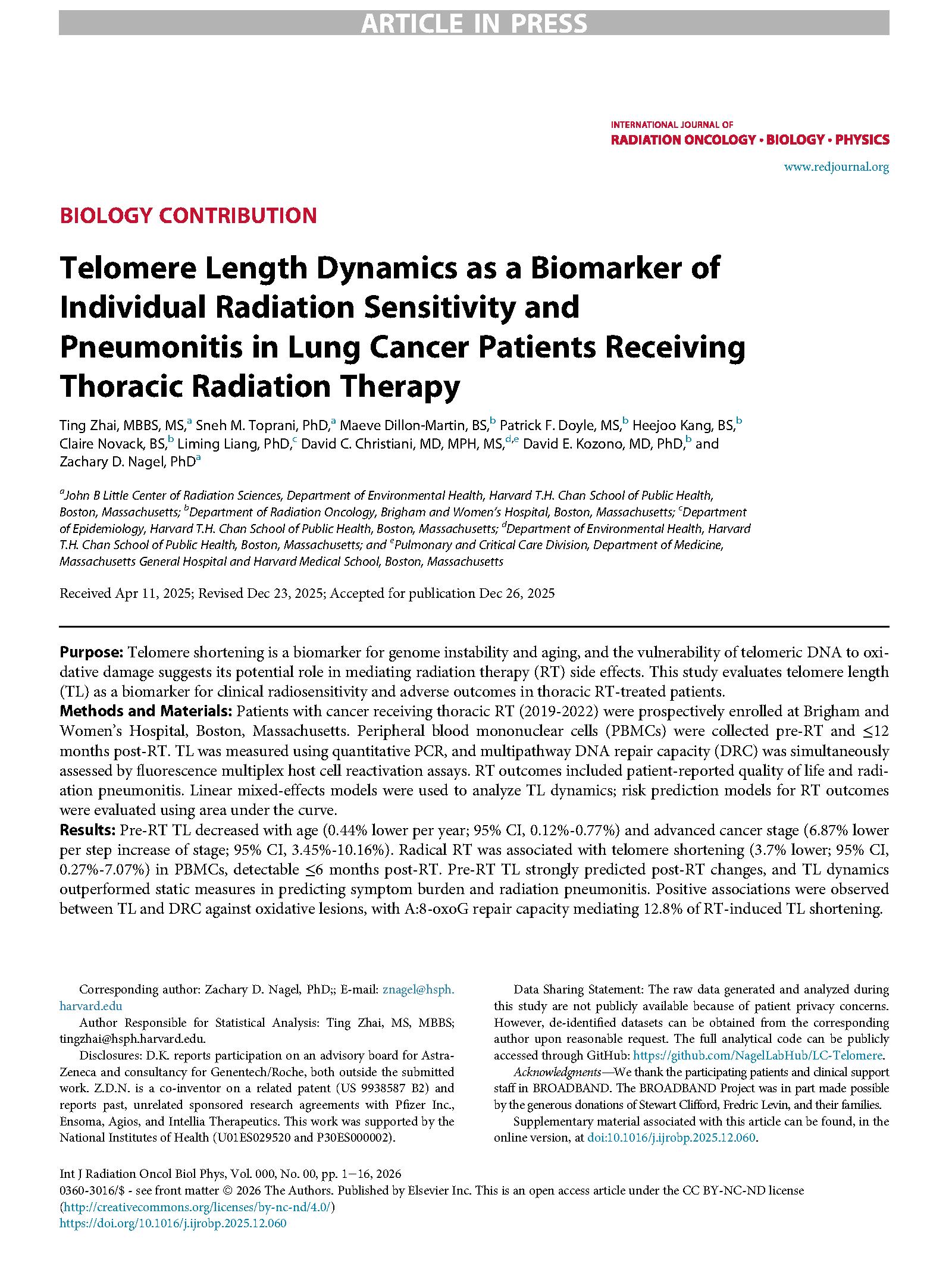 Telomere Length Dynamics As a Biomarker of Individual Radiation Sensitivity and Pneumonitis in Lung Cancer Patients Receiving Thoracic RadiotherapyInternational Journal of Radiation Oncology*Biology*Physics, 2026


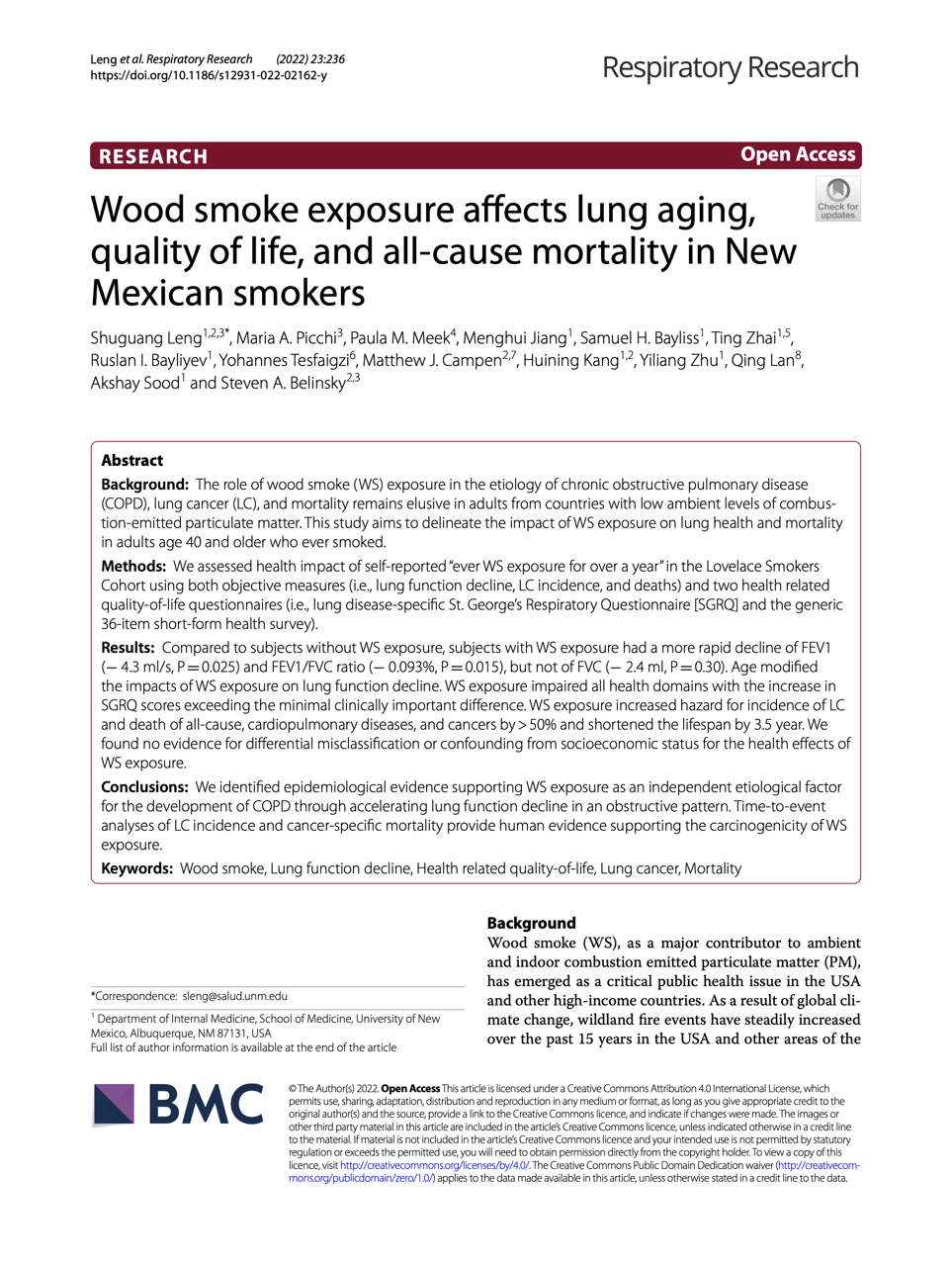 Wood smoke exposure affects lung aging, quality of life, and all-cause mortality in New Mexican smokersRespiratory Research, 2022


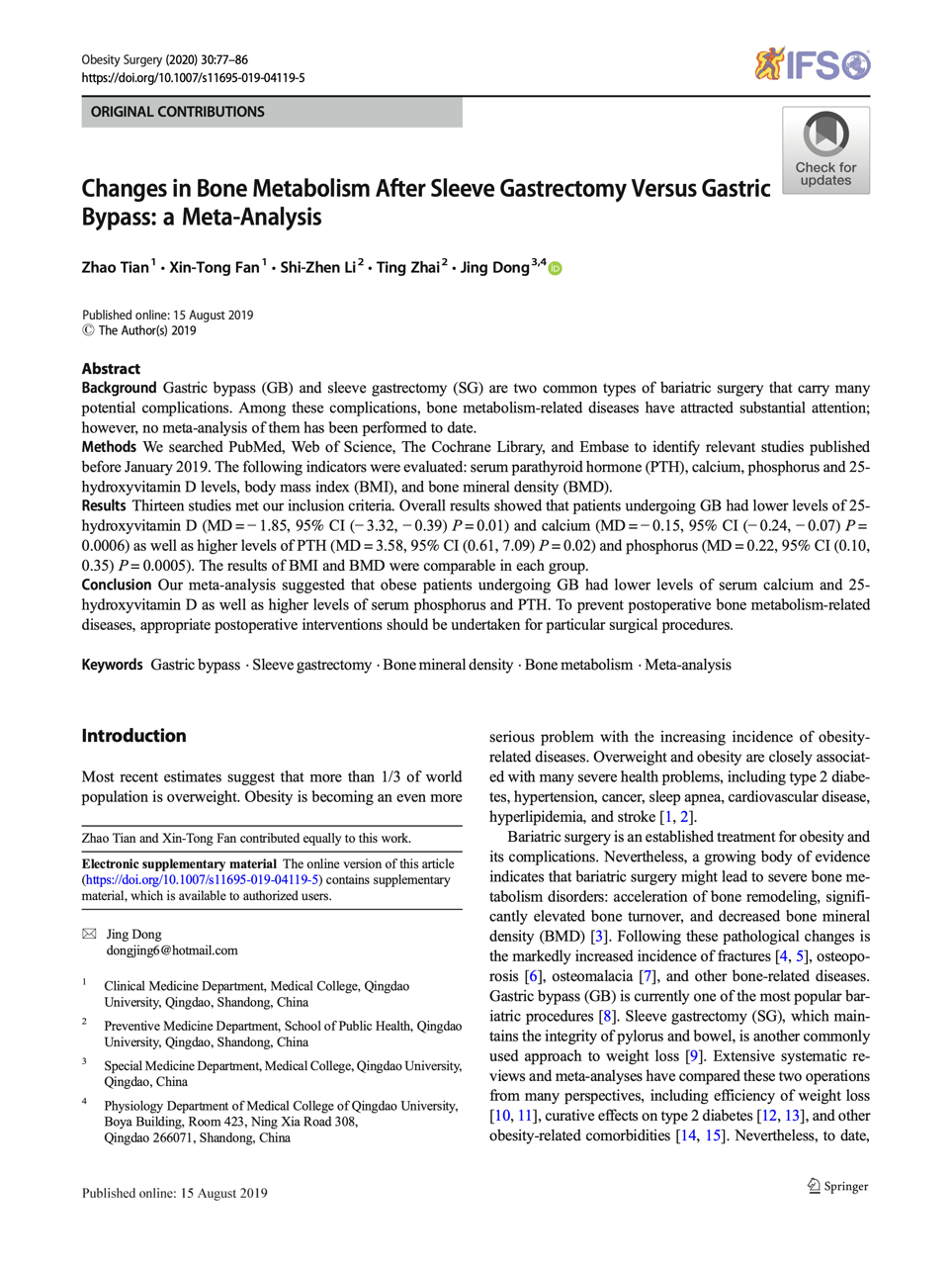 Changes in Bone Metabolism After Sleeve Gastrectomy Versus Gastric Bypass: a Meta-AnalysisObesity Surgery, 2020
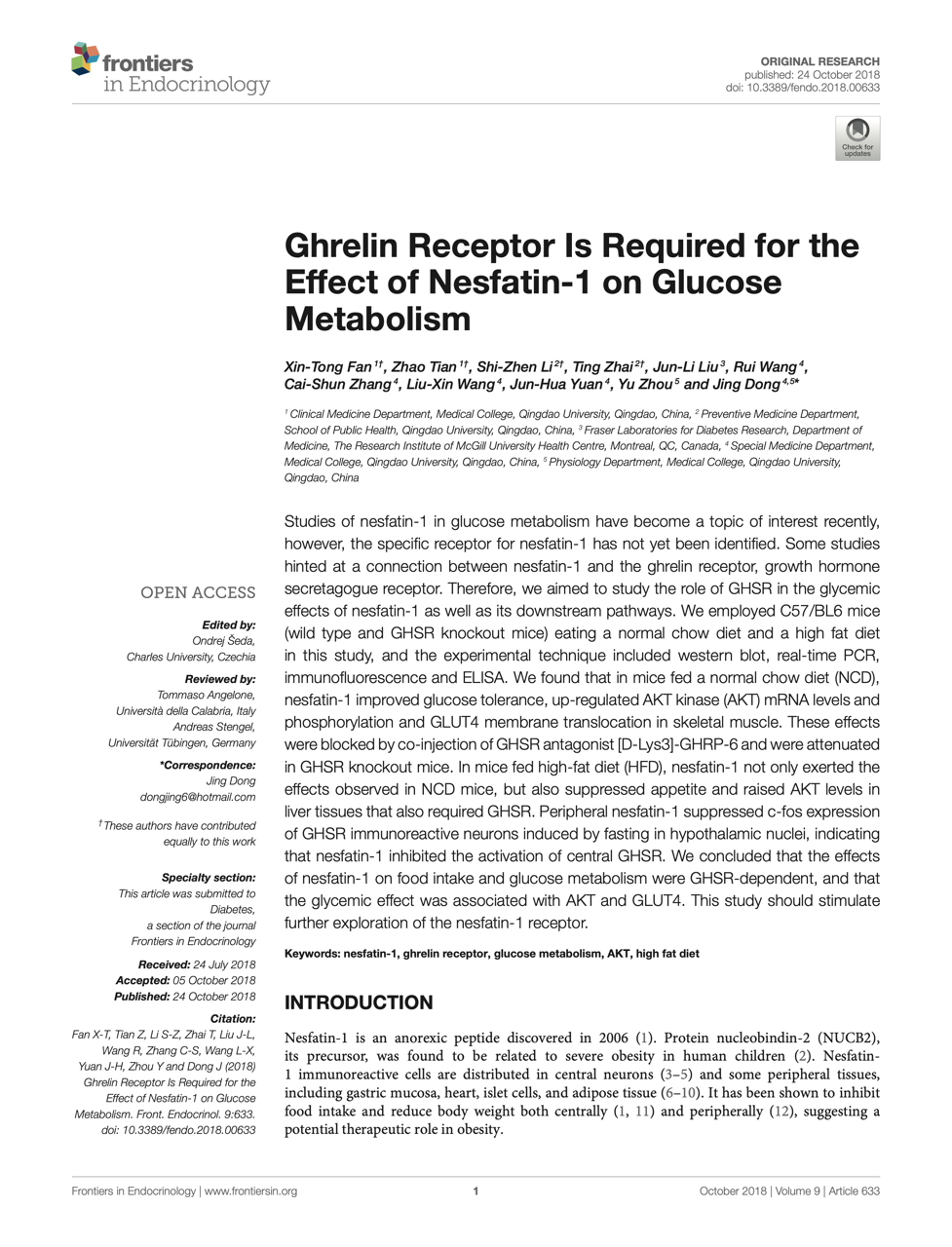 Ghrelin receptor is required for the effects of nesfatin-1 on glucose metabolismFrontiers in Endocrinology (Lausanne), 2018Co-first authorship
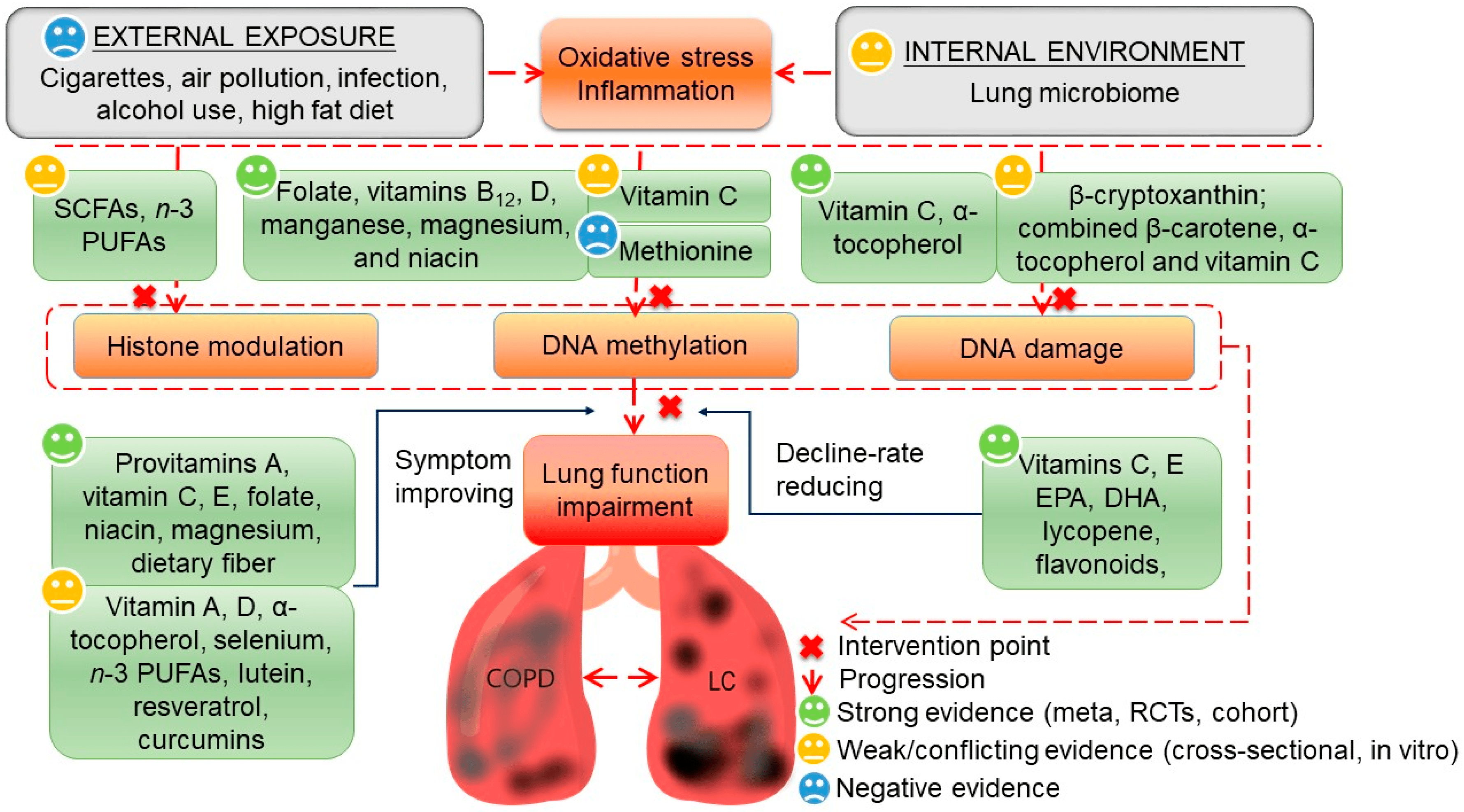 Potential Micronutrients and Phytochemicals against Pathogenesis of Chronic Obstructive Pulmonary Disease and Lung CancerNutrients, 2018

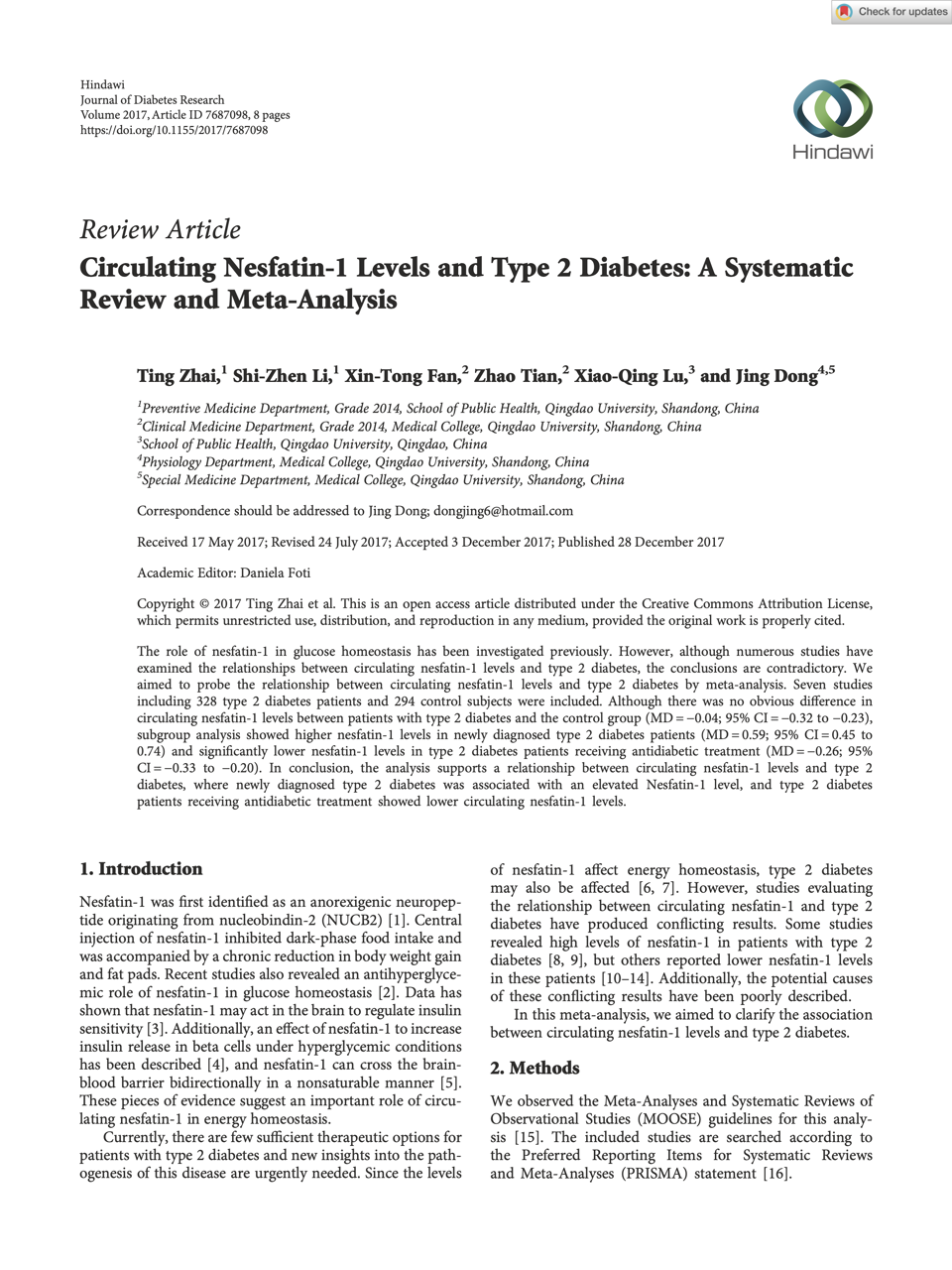 Circulating Nesfatin-1 Levels and Type 2 Diabetes: A Systematic Review and Meta-AnalysisJournal of Diabetes Research, 2017